

Get Aadhaar-Based Class 3 DSC Instantly – No Documents Needed! 2026
1. Introduction
Get Aadhaar-Based Class 3 DSC Instantly – No Documents Needed! 2026: In India’s compliance-driven digital ecosystem, Digital Signature Certificates (DSCs) are no longer optional — they’re mandatory for GST filings, MCA submissions, DGFT licenses, PF returns, and IceGate transactions. Among the different types, the Aadhaar-Based Class 3 DSC has become the most convenient option.

Why do users search for it? Because they want a hassle-free process without uploading multiple documents or showing IDs during video verification. Having worked in the DSC industry for years, I’ve seen how Aadhaar-based DSC has transformed the registration journey — saving professionals valuable time and reducing stress compared to PAN-based DSC.
2. What is Aadhaar-Based Class 3 DSC?

An Aadhaar-Based Class 3 DSC is a high-assurance digital certificate linked directly to your Aadhaar number.
- Definition: It’s an electronic signature that validates your identity using Aadhaar eKYC.
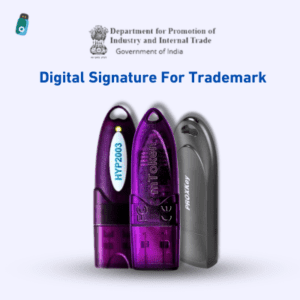
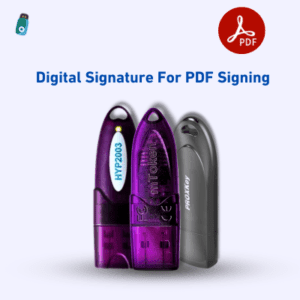
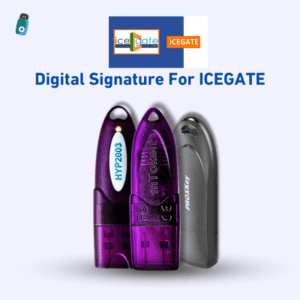
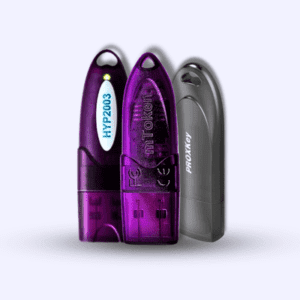
- Technical overview: Stored securely in a USB token, it uses 2048-bit encryption to protect transactions.
- Relation to DSC ecosystem: Aadhaar-based DSC is part of India’s e-governance push, ensuring trust in paperless transactions across government portals.
💡 From my experience: Many first-time applicants confuse Aadhaar-based DSC with Aadhaar eSign. The difference is that DSC is token-based, portable, and recognized across multiple portals.
3. Why is Aadhaar-Based Class 3 DSC Required?
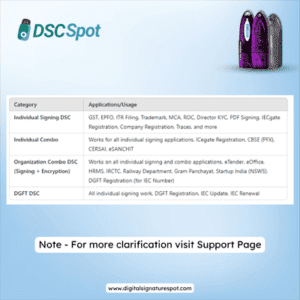
- Business use cases: GST returns, MCA compliance, DGFT license applications, PF submissions, IceGate filings.
- Compliance needs: Ensures legal validity of filings and prevents fraud.
- Government portals: Class 3 DSC is mandatory for secure e-filing.
👉 Personal insight: I’ve seen companies lose tender opportunities simply because they didn’t have a valid Class 3 DSC. Aadhaar-based DSC helps avoid such costly mistakes.
4. Eligibility & Pre‑Requisites
- Who can apply? Any Aadhaar holder — individuals, directors, professionals.
- Documents checklist: None required — Aadhaar OTP verification handles it.
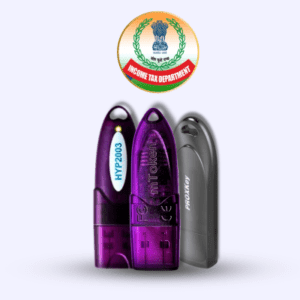
- Technical needs: USB token (HYP2003 or WatchData), DSC drivers, updated browsers.
💡 Pro tip: Aadhaar-based DSC saves time because you don’t need to upload PAN or address proof during application.
5. Step-by-Step Guide
Here’s the workflow I usually walk my clients through:
- Visit a licensed Certifying Authority (e.g., eMudhra, Sify).
- Select Aadhaar-Based Class 3 DSC.
- Enter Aadhaar number and complete OTP verification.
- Make payment online.
- Install DSC in your USB token.
- Map DSC to government portals.
📌 Best practice: Always test DSC on the issuing portal before using it elsewhere.
6. Pricing, Validity & Cost
- Government norms: Validity ranges from 1–3 years.
- Market prices: ₹1000–₹2500 depending on class and validity.
- Renewal cost: Slightly lower than fresh issuance.
💡 From my desk: Most clients prefer 2–3 year validity to avoid frequent renewals.
7. Portal-Specific Integration
- GST: Register DSC under “Authorized Signatory.”
- MCA: Map DSC via MCA21 portal.
- DGFT: Mandatory for IEC filings.
- PF & IceGate: Token validation required.
8. Common Errors & Fixes
- Driver issues: Reinstall token drivers.
- Token not detected: Update browser.
- Certificate mismatch: Ensure correct mapping.
- Portal errors: Clear cache, update Java settings.
⚡ Personal insight: Aadhaar-based DSC reduces errors because document mismatches are eliminated.
9. Advanced Troubleshooting
- Update token firmware.
- Reinstall certificate chain.
- Configure system time and browser security settings.
10. Aadhaar-Based vs PAN-Based DSC: Key Comparison
While both Aadhaar-based and PAN-based DSCs serve the same purpose once issued, the application process differs significantly. Based on my industry experience, here’s how they compare:
| Feature | Aadhaar-Based Class 3 DSC | PAN-Based Class 3 DSC |
|---|---|---|
| Application Process | Aadhaar OTP verification only | Requires document upload + video verification |
| Documents Needed | None (Aadhaar eKYC handles it) | PAN card, address proof, photo |
| Video Verification | No need to show documents | Must show PAN + address proof live |
| Convenience | Very high – paperless, instant | Moderate – requires manual checks |
| Approval Speed | 15–20 minutes (fastest) | 30–60 minutes (depends on verification) |
| Best For | Individuals, professionals, quick compliance | Companies, directors, users preferring PAN linkage |
👉 Insider insight: Busy professionals prefer Aadhaar-based DSC because it saves time and avoids paperwork. PAN-based DSC, however, is often chosen by companies who want their certificate tied directly to tax records.
11. Security & Compliance Guidelines
- Keep token password confidential.
- Avoid public computers.
- Update drivers regularly.
12. Expert Tips
- Use trusted tokens like HYP2003 or WatchData for smooth integration.
- Register early to avoid deadline stress.
- Test DSC before portal use.
💡 Insider tip: Aadhaar-based DSC is the fastest way to get approval — often within minutes.
13. FAQs
- How long does Aadhaar-based DSC registration take? → Usually 15–20 minutes.
- Do I need to upload documents? → No, Aadhaar OTP is enough.
- Is Aadhaar mandatory? → Yes, for Aadhaar-based DSC.
- Can foreigners apply? → No, Aadhaar is required. …and more.
14. Conclusion
Aadhaar-based Class 3 DSC is not just a compliance tool — it’s your digital identity in India’s governance ecosystem. Unlike PAN-based DSC, it eliminates document uploads and video verification hassles. Based on my industry experience, I recommend Aadhaar-based DSC for anyone who values speed, simplicity, and compliance.
15. Call to Action
👉 Buy Aadhaar-Based Class 3 DSC Online 📲 WhatsApp Support: 7579984381 📧 Email: Digitalsignaturespot@gmail.com ▶️ YouTube: Digital Signature Spot
Author Bio
About the Author: With years of hands-on experience in the Digital Signature Certificate industry, I’ve helped hundreds of clients register, renew, and troubleshoot DSCs across GST, MCA, DGFT, PF, and IceGate portals. My mission is to simplify DSC adoption by sharing practical insights, proven tips, and compliance-friendly strategies that save time and reduce stress.


About author







Add comment